
What is psychosocial disability?
Psychosocial disability is the NDIS term for disability that can arise from a mental health condition. It describes the impact on daily life, rather than the condition itself.
Not everyone with a mental health condition has a psychosocial disability. It applies when the effects are likely to be long-lasting and make everyday activities harder. Psychosocial disability can affect daily life in ways such as:
- Low energy or motivation that makes household tasks hard to keep up with
- Difficulty keeping regular routines for sleep, meals or appointments
- Finding social situations, crowds or new places stressful
- Changes in wellbeing that come and go over time
Your doctor, psychiatrist or mental health team looks after treatment. Support workers focus on practical, everyday support that works alongside that care.
How do support workers help people with psychosocial disability?
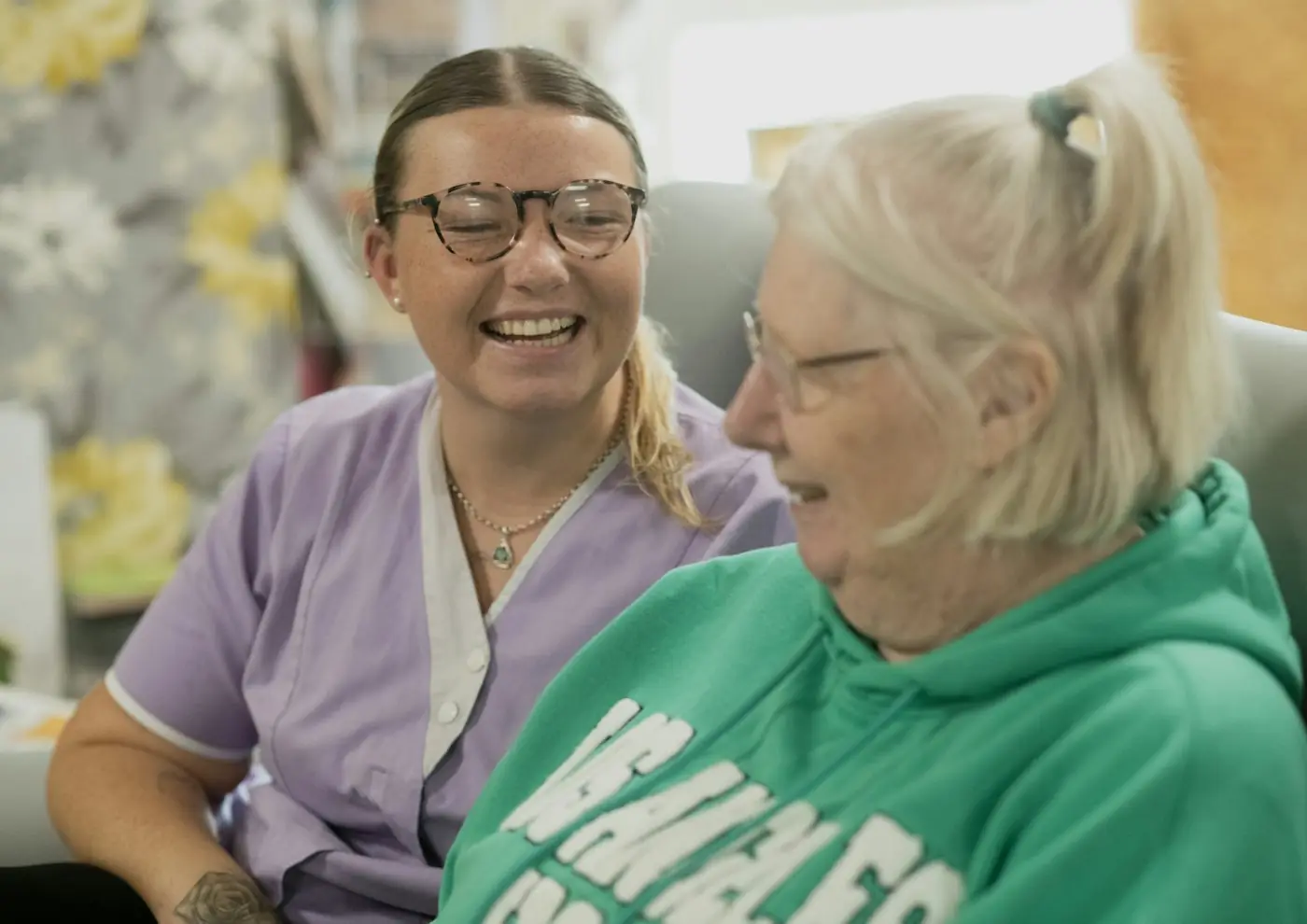
Support workers help with practical daily tasks, keeping routines and getting out into the community, using a recovery-oriented approach that keeps you in control.
Recovery-oriented means the focus is on your strengths, hopes and goals, and on living a meaningful life on your own terms. A worker might help you get the house back in order, cook a few meals for the week, get to a regular appointment or try a new class.
Good psychosocial support is also trauma-informed. Workers are predictable, explain what they are doing, ask before helping and respect your boundaries. On harder days, support can slow down or change focus.
Seeing the same worker each time is especially valuable, because trust takes time to build. Our post on how routine builds stability explains why steady patterns help.
What should you look for in a psychosocial support worker?
Look for a worker who is calm, non-judgemental, reliable and comfortable talking about mental health without making it the whole focus.
Questions to consider include:
- Do they have experience supporting people with mental health conditions?
- Do they understand trauma-informed and recovery-oriented practice?
- Will they turn up consistently and let you know early about any changes?
- Do they respect your choices about what you share and when?
Enrichment Care has experience supporting people with mental health conditions, including people who have a history of criminal convictions. We focus on who you are today and the life you want, and we match workers who can offer support without judgement. You review worker profiles and meet your worker before supports begin, so you can decide if they feel right.
Can the NDIS fund psychosocial disability support?
The NDIS can fund support for psychosocial disability when a mental health condition is likely to be permanent and substantially reduces your ability to do everyday activities.
The NDIS recognises that mental health can change over time, so "permanent" does not mean your wellbeing never improves. Evidence from your treating health professionals helps show the impact on daily life.
Many people with psychosocial disability use Core funding for help around the home, meals and community participation. Some plans also include Capacity Building funding for skills and daily living. Your plan is based on your goals, so think about what you want support to help with before your planning meeting.
Our guide on how to apply for the NDIS walks through the steps. Access rules are being updated during 2026, so check ndis.gov.au for the latest.