
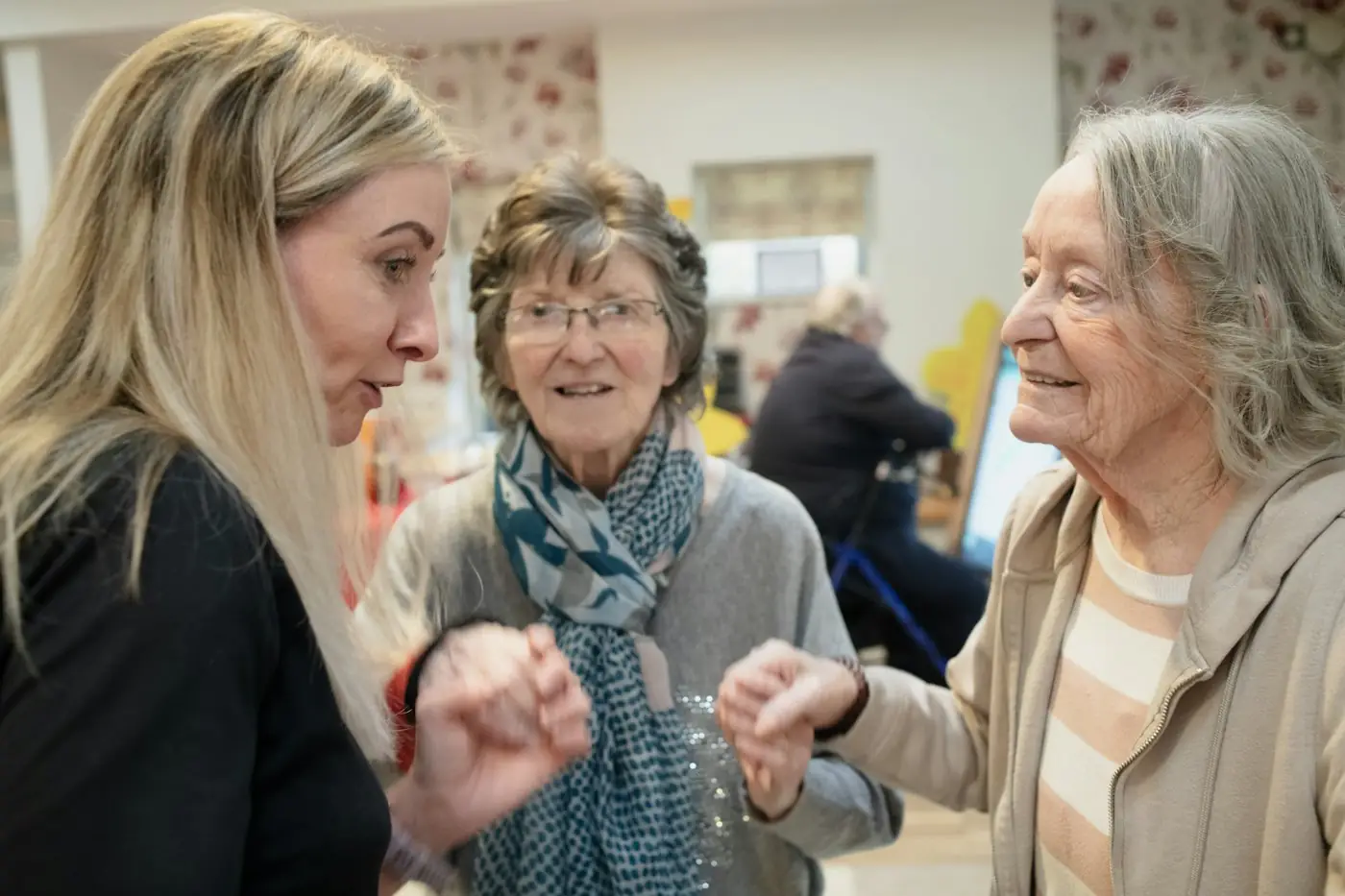
Why does culturally matched disability support matter?
Culturally matched support matters because care feels safer, clearer and more respectful when your worker understands your language and way of life.
When you can explain what you need in your first language, there is less room for misunderstanding. When a worker already knows that shoes come off at the door, that certain foods are not eaten, or that elders are greeted first, you spend less energy explaining and more time living your life.
Culture also shapes privacy, family decisions, and how people talk about disability. A worker who understands this can support you without judgement and help you feel confident speaking up.
Our founding belief is that everyone deserves care that respects their identity. Read more in our post on culturally appropriate disability support.
How does Enrichment Care match workers on language and culture?
We match on language, culture, faith, personality, interests and care needs, then send you worker profiles to choose from.
Our carers come from more than 30 cultural and minority backgrounds, including Burmese, Chinese and Korean speaking workers. Workers are recruited and matched locally to each participant, so we look for people in your area who fit.
When you contact us, tell us your preferred language, cultural background, faith practices and anything else that matters. You might want a worker who speaks a particular dialect, or simply someone who understands your community.
After you choose from the profiles, you meet the worker at a meet and greet before supports start. Family members are welcome to join. Start on our find your support worker page.
How is culturally diverse support funded?
Culturally diverse support is funded the same way as any other core support, from the NDIS budget category that matches the support you receive.
For example, personal care and meal preparation usually come from Assistance with Daily Life. Outings and activities usually come from Assistance with Social, Economic and Community Participation. Transport may come from the Transport category.
Culturally matched support is charged the same way as any other support. Your worker's time is charged at or below the national price limit for the support type, which depends on the time, day and location. Because Core budgets are generally flexible, you can often use funds across these categories unless your plan says otherwise.
If you are new to the NDIS, our guide on how to apply for the NDIS explains the steps in plain language.
Can I use an interpreter for NDIS supports?
Yes. Free interpreting is often available for NDIS-related conversations and many other services through the national Translating and Interpreting Service (TIS National).
TIS National provides phone and on-site interpreters in many languages. Many government agencies, doctors and community services can use it at no cost to you, although eligibility and availability depend on the service and situation. Check with each service when you book.
A worker who speaks your language can make day-to-day support easier, but they are not a qualified interpreter. For important conversations, such as medical appointments, NDIS planning meetings or legal matters, a professional interpreter is the safer choice.
Your worker can help you request an interpreter and remind services that you need one when booking appointments.