
What is an acquired brain injury?
An acquired brain injury (ABI) is damage to the brain that happens after birth. Causes can include an accident, a fall, a stroke, an infection or a lack of oxygen.
Every brain injury is different, and its effects can change over time. Some effects are easy to see, while others are less visible. An ABI can affect daily life in ways such as:
- Tiring quickly, physically and mentally
- Forgetting appointments, tasks or recent conversations
- Finding it harder to plan, organise or start tasks
- Changes in mood, confidence or how you respond to stress
- Changes in movement, balance, speech or senses
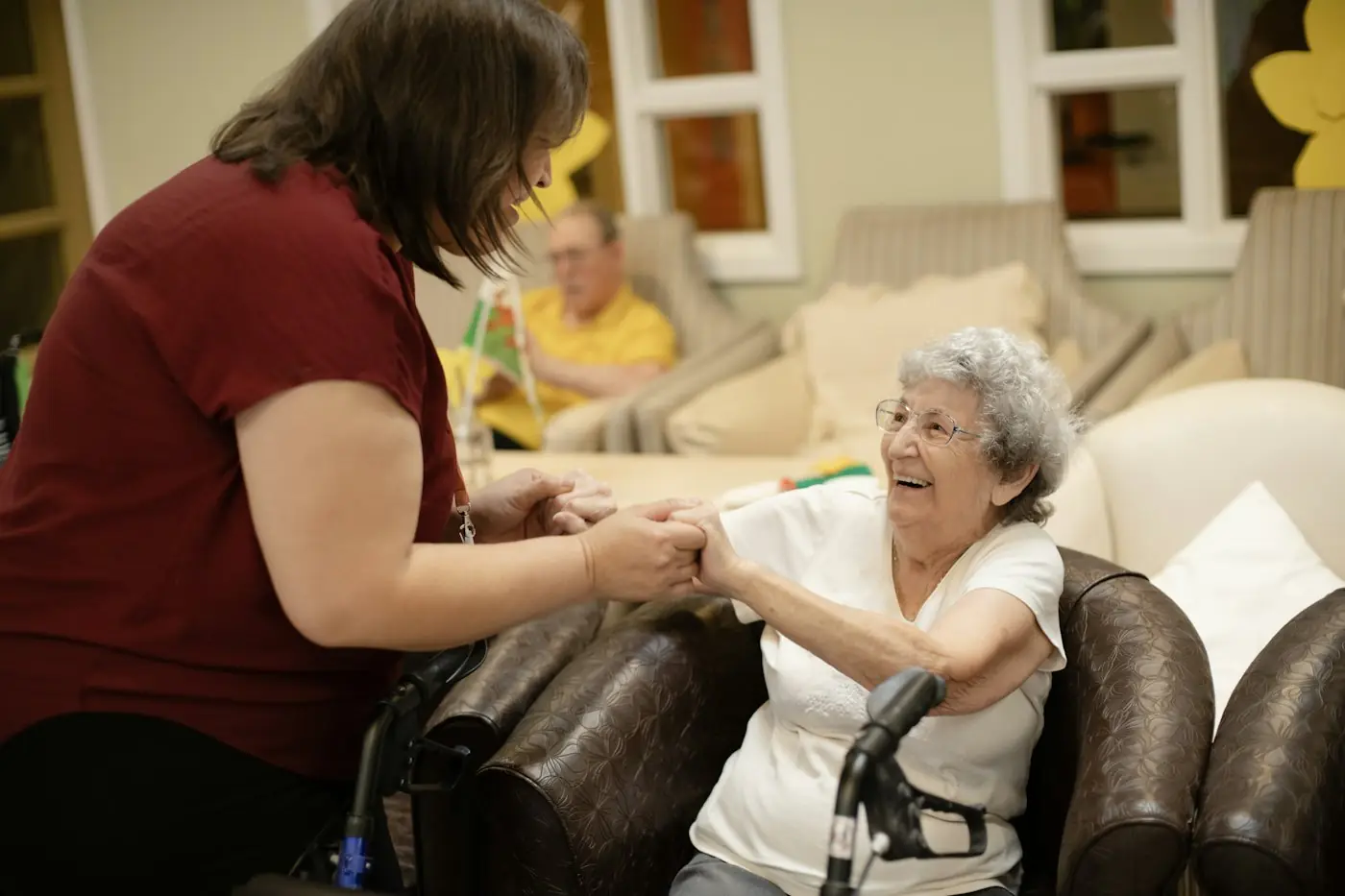
Your doctors and rehabilitation team manage your health and recovery plan. Support workers provide everyday practical support around that, at a pace that suits you.
How do support workers help people with an ABI?
Support workers help people with an ABI keep routines, manage energy, complete daily tasks and reconnect with community life.
A worker might help you set up a weekly planner, use phone reminders, break cooking into short steps or plan rest breaks into a day out. If your rehabilitation team has given you strategies, such as checklists or pacing plans, your worker can help you practise them in real life.
Many people want to get back to things they did before their injury, like a hobby, a sport, volunteering or catching up with friends. A worker can support that return gradually, building confidence as you go.
ABI also affects families. Support can give family members a break and a clear picture of how things are going. Our community participation page explains more about getting out and about.
What should you look for in an ABI support worker?
Look for an ABI support worker who is patient, organised and consistent, and who understands that fatigue and memory changes are real and can vary day to day.
Helpful qualities include:
- Experience supporting people with brain injury or similar needs
- Comfort following routines, checklists and strategies from your health team
- Calm responses to frustration or changes in mood
- Good communication with family and other supports
- Shared interests that make sessions motivating
At Enrichment Care, you review worker profiles before choosing and meet your worker before supports begin. You can also read what good disability support looks like for more ideas.
If English is not your first language, or culture matters to how you want support delivered, we can look for a worker who shares your language or background.
Can the NDIS fund support after a brain injury?
The NDIS can fund support after an acquired brain injury when the disability is likely to be permanent and substantially affects everyday functioning.
Some injuries are also covered by other schemes, such as motor vehicle accident or workers compensation insurance, which may fund some supports instead. It helps to check which scheme applies to you, and your hospital social worker or rehabilitation team can often help.
If you are an NDIS participant, plans after a brain injury often include Core supports for personal care, household tasks and community participation, along with Capacity Building funding for daily living skills. Funding is based on your goals and the impact of the injury on your everyday life.
Our NDIS eligibility checker explains the general criteria. Access rules are changing during 2026, so check ndis.gov.au for current information.