
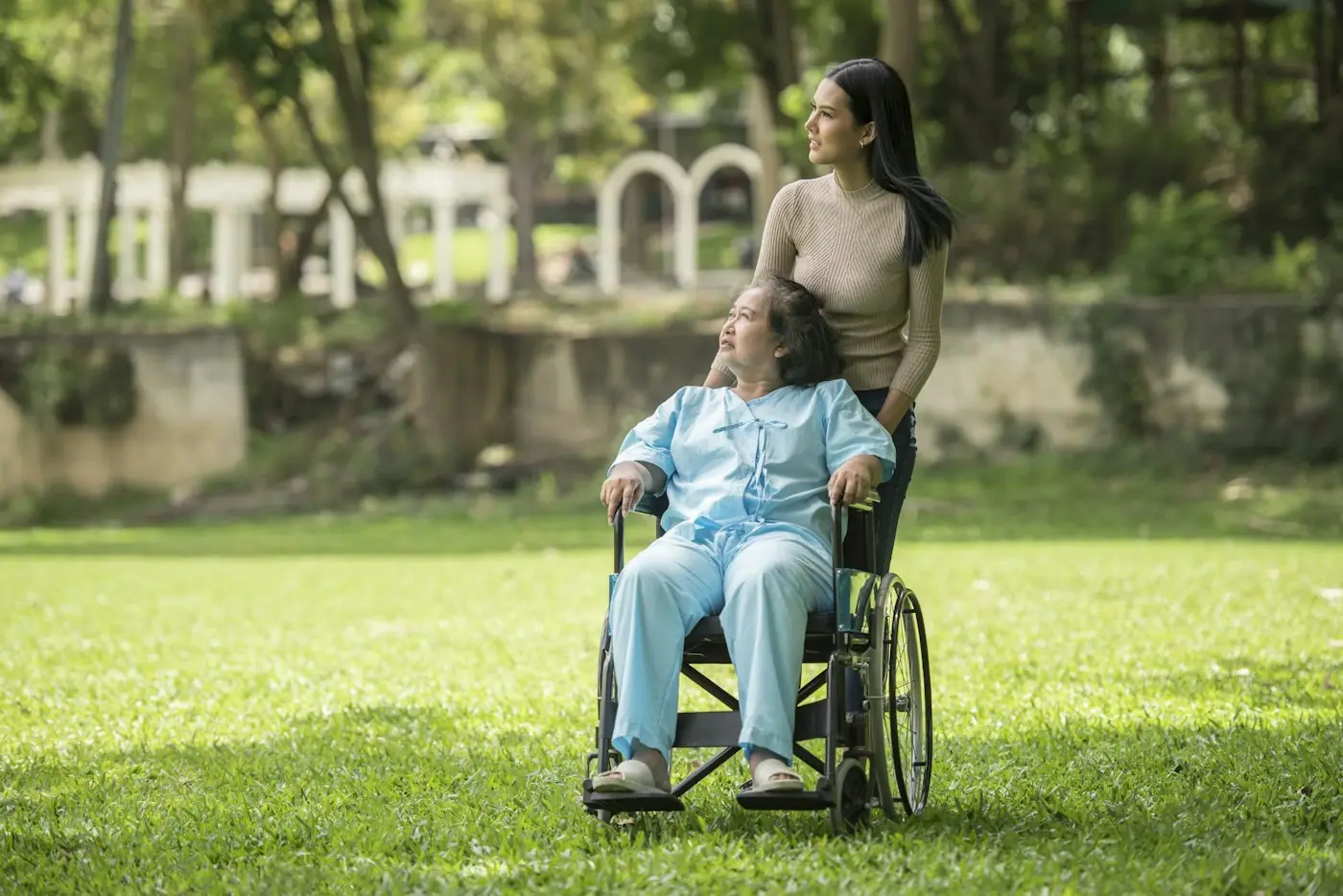
What is physical disability?
Physical disability is any condition that affects a person's movement, strength, stamina or physical functioning over the long term. It can be present from birth or happen later in life.
Common causes include spinal cord injury, multiple sclerosis (MS), muscular dystrophy and other muscular conditions, and amputation. Physical disability can affect daily life in ways such as:
- Needing help with showering, dressing or transfers
- Finding cleaning, laundry or cooking tiring or unsafe
- Needing support to travel or use public transport
- Energy levels that change from day to day, as can happen with MS
Physical disability says nothing about a person's abilities, interests or goals. Good support simply removes barriers, so you can get on with work, study, family and the things you enjoy.
How do support workers help people with physical disability?
Support workers help with personal care, home tasks, meals, transport and community activities, so you can live the way you choose.
For example, someone with a spinal cord injury might need a morning routine with transfers and personal care. Someone with MS might want help with cleaning and meals on lower-energy days. Someone who has had an amputation might want support getting to the shops or back to a sport they love.
Workers follow your manual handling plan and any guidance from your health team, and use your equipment the way you prefer. You direct the support, including how and when tasks are done. If you have high physical care needs, we look for workers with experience in that level of support. Our NDIS cleaning and travel and transport pages explain those supports in more detail.
What should you look for in a physical disability support worker?
Look for a worker who is confident with personal care and equipment, reliable with your routine and happy to do things your way.
Things to consider include:
- Experience with transfers, hoists and mobility aids you use
- Comfort with intimate personal care, delivered with dignity
- Punctuality, especially for morning and evening routines
- A driver's licence, if you need transport
- A personality and interests you get along with
Enrichment Care sends worker profiles for you to review, then arranges a meet and greet before supports start. You can also read our questions to ask a support worker.
We can also match on language and culture, including Burmese-, Chinese- and Korean-speaking workers. That can make personal care feel more comfortable and familiar.