NDIS core supports in every state and territory

NDIS support for rare and genetic conditions

Support built around the individual, shaped by what families and health teams already know works. Enrichment Care matches people with rare and genetic conditions to local support workers across Australia.

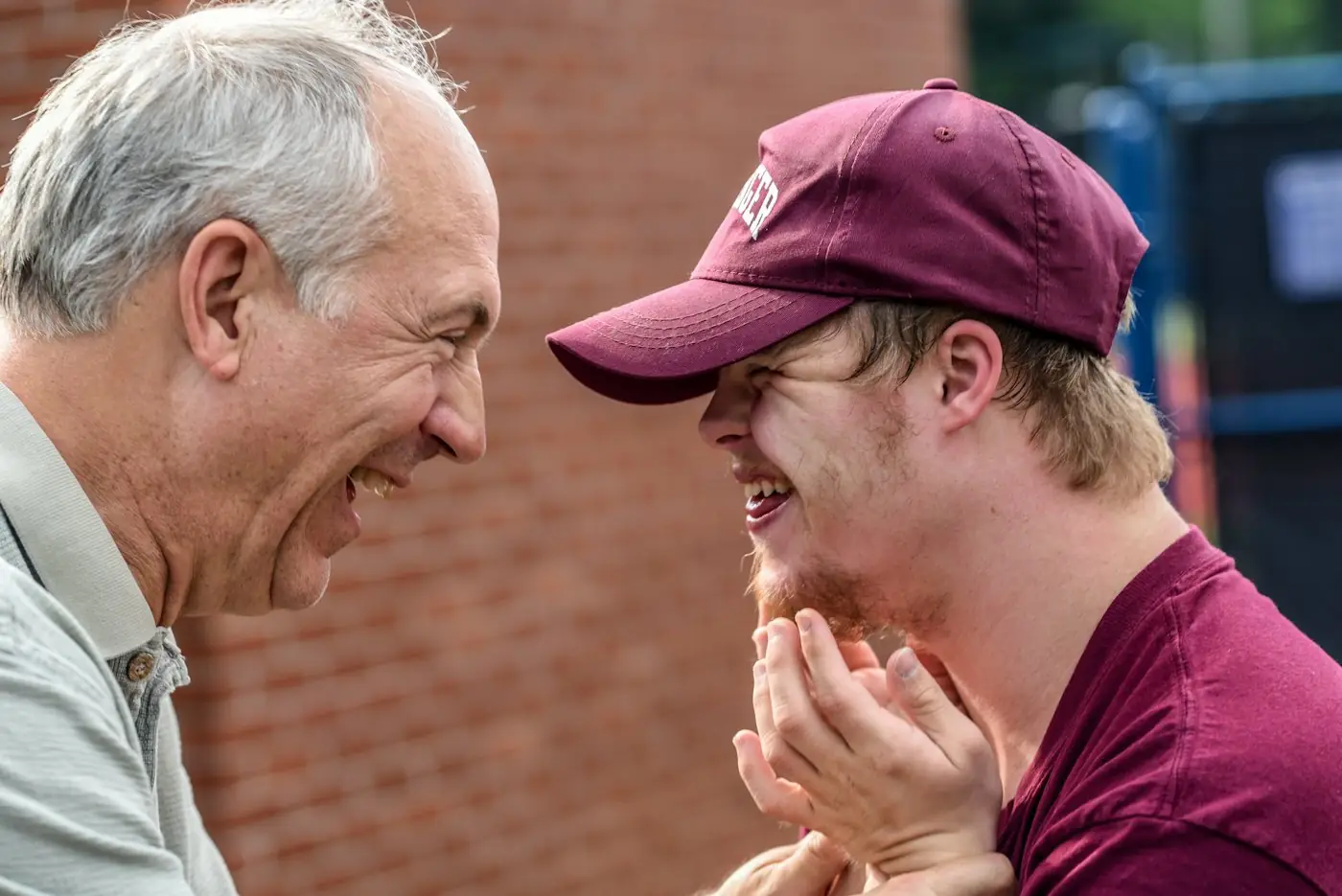
Older man and a young man in a cap laughing together

How can NDIS support help people with rare and genetic conditions?

NDIS support can help people with rare and genetic conditions with daily routines, personal care, skills and community life, following each person's individual plans. Enrichment Care provides personal care, community participation, life skills development, meal preparation, cleaning and transport support, with workers who learn from families and follow guidance from the person's health team.

What are rare and genetic conditions?

Genetic conditions are caused by changes in a person's genes or chromosomes. Some are well known, while others are rare and affect only a small number of people in Australia.

A few examples include:

  • Angelman syndrome, which often affects speech, movement and sleep, and is linked with a happy, sociable nature.
  • Fragile X syndrome, which can affect learning, anxiety and sensory processing.
  • Prader-Willi syndrome, which affects appetite and often means a person needs a structured food plan.

Even with the same condition, two people can have very different needs. That is why support always starts with the person, not the diagnosis. The person's doctors and health team manage the medical side of the condition, and families often know the day-to-day details best.

How do support workers help people with genetic conditions?

Support workers help with everyday care, routines, skills and community activities, following each person's individual plans and the knowledge their family has built up.

Families of people with rare conditions are often the real experts. A good worker listens, learns your routines and asks questions. For example, someone with Prader-Willi syndrome may have a food plan and secure kitchen routines, and their worker follows that plan every time.

Workers also follow any guidance from the person's health team, such as a mealtime plan, seizure management plan or manual handling plan. They help with personal care, practise skills, support outings and give families regular breaks.

You can find more about our core supports or see what good disability support looks like.

What should you look for in a support worker for a rare condition?

Look for a worker who is curious, careful and willing to learn, and who follows plans exactly while still treating the person as an individual.

Useful things to check include:

  • Whether they have supported someone with the same or a similar condition
  • How they learn from families and written plans
  • Their comfort with the person's communication style
  • Their consistency, since routines often matter a great deal
  • Their interests and personality, so time together is enjoyable

Enrichment Care sends you worker profiles before you choose and holds a meet and greet before supports start. That first meeting is a good time to walk the worker through your routines.

It also helps to share written plans, routines and tips with us early. We pass these to the worker so they arrive prepared.

Can the NDIS fund support for a genetic condition?

The NDIS can fund support for genetic conditions when they substantially reduce a person's ability to do everyday activities, or when a young child meets early intervention requirements.

Some genetic conditions are well recognised by the NDIA, which can make the evidence process simpler. For others, reports from treating health professionals show how the condition affects daily life.

Plans for people with genetic conditions often include Core supports for personal care, daily living and community participation. Young children can start with an early childhood partner, while older children and adults usually work with a Local Area Coordinator. Your plan reflects the person's goals and can change as they grow.

Our NDIS eligibility checker explains the general criteria. Check ndis.gov.au for the latest, as assessments are changing in 2026.

Core supports that help

Supports are built around your goals and the way you like to do things.

Personal care

Personal care that follows the person's routines and any plans from their health team.

Meal preparation

Prepare meals that follow food plans or mealtime guidance exactly.

Community participation

Support to enjoy outings, groups and activities with planning for the person's needs.

Life skills development

Practise everyday skills at the person's pace, building on what the family already does.

Travel and transport

Safe, planned travel to school, programs, appointments and activities.

NDIS cleaning

Help with household cleaning and laundry, giving families more time and energy.

What we look for when matching your worker

Experience matters, and so does the right personality fit. These are some of the things we weigh up.

  • Experience with the same or a similar condition, where possible
  • Willingness to learn from families and follow written plans exactly
  • Comfort with the person's communication style
  • Consistency and reliability with routines
  • Personality, interests, language and culture

What families say about us

Reviews from families we support, as posted on public review sites.

Would highly recommend to any family or individual with disability. My son has autism and type 1 diabetes and requires care on a daily basis. My wife and I have been through multiple NDIS providers, which were lacking compassion and care that suited my son's needs, until a family friend recommended us Enrichment Care. Whom were friendly and well driven to provide my son the quality of care he needs. Our carer Jasmine has been excellent with us and has gone over and beyond our expectations and is my son's favourite carer.

Daniel HammondGoogle review

Great service. Sam from Enrichment Care was able to match us with a Korean-speaking disability support worker, who has helped my daughter with Angelman syndrome.

Jenny LClickability review

Through working with Enrichment Care, I actually felt like Maung was receiving the quality of care that he required and we didn't feel like a client and more like a friend who was in need of help. They gave us a permanent, Burmese speaking support worker (Saw) which was great in elevating language barriers and now Maung considers him to be his best friend.

Ma Win KyuNDIS Discussion Group Australia

Genetic conditions support: common questions

See all FAQs

Do you support children and adults with genetic conditions?

Yes. We support children, teenagers and adults with rare and genetic conditions. For children, we work closely with parents on routines and family support. For older participants, support often focuses on independence, community life and daily living skills.

What if no worker has experience with our rare condition?

Rare conditions mean experience with the exact diagnosis is not always available. We look for workers with relevant skills, such as following food or mealtime plans, communication support or high support needs, and we build time for your family to teach the worker your routines.

Will workers follow our health team's plans?

Yes. Workers follow the plans provided by the person's health team, such as mealtime, seizure or manual handling plans. Enrichment Care does not write clinical plans or provide therapy, but we make sure workers understand and follow the plans you share with us.

How is support for genetic conditions funded?

Approved supports are usually paid from the person's NDIS plan. The NDIS sets maximum hourly price limits for each support, which vary by time and location, and providers can charge less. Check ndis.gov.au pricing arrangements for current figures.

How do I get started with Enrichment Care?

Call 1300 543 123, email admin@enrichmentcare.com.au or use our find your support worker form. Tell us about the person, their routines and any plans. We will send worker profiles and arrange a meet and greet before supports begin.

Talk to our team

Tell us a little about the support you need. A care advisor will call you back to talk it through, with no obligation.

  • Worker profiles sent before you choose
  • A meet and greet before supports start
  • Help moving across from another provider

Prefer to talk now?

1300 543 123

We use your details only to respond to your enquiry. See our privacy policy.

Call 1300 543 123Enquire